Choosing the Right Location for Installing Security Cameras
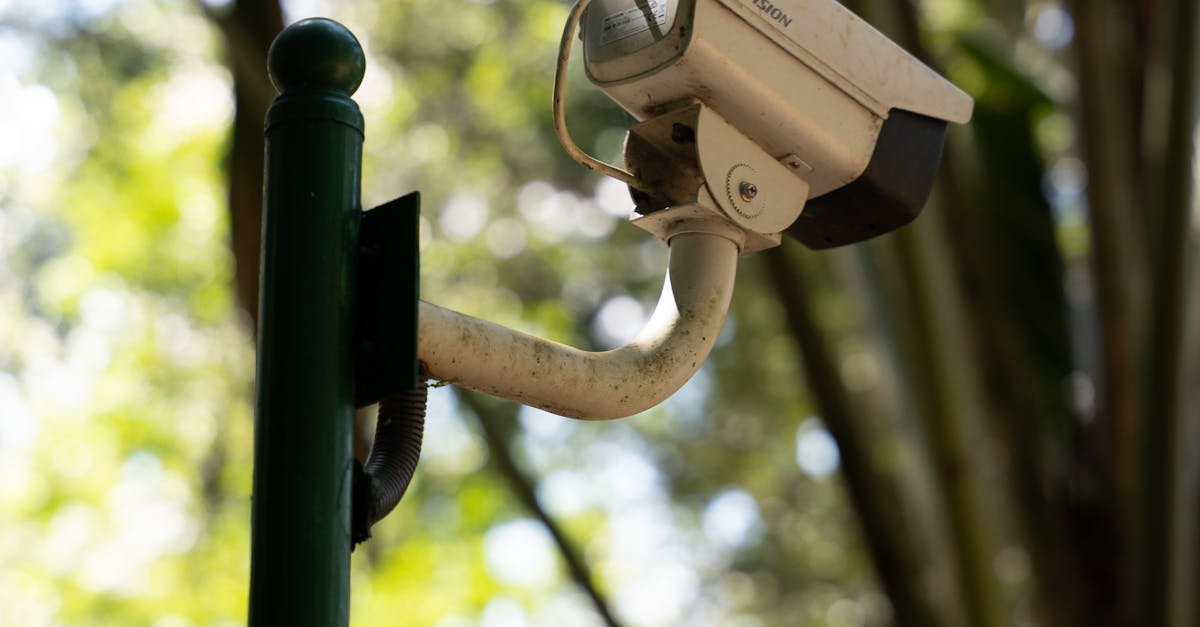
Table Of Contents
The Role of Camera Technology
Camera technology has evolved significantly over the years, offering a range of features tailored to various security needs. High-definition cameras provide greater clarity, allowing for easy identification of people and objects. Image sensors play a crucial role in capturing detailed footage, even in low-light conditions. Advanced features such as night vision and motion detection enhance the effectiveness of surveillance systems, ensuring key areas remain monitored at all times.
Selection of the right camera type depends on specific requirements. Fixed cameras serve well in consistently monitored locations, while PTZ (pan-tilt-zoom) cameras offer flexibility in covering larger areas. Some models incorporate smart technology, enabling remote access and real-time alerts. Understanding these technological advancements is vital in making informed decisions that bolster security measures.
Choosing the Right Type for Your Needs
When it comes to selecting security cameras, understanding the specific needs of your environment is vital. Different types of cameras serve various purposes; for instance, dome cameras are discreet and often suitable for indoor use, while bullet cameras are ideal for outdoor surveillance due to their visibility and range. PTZ (pan-tilt-zoom) cameras offer versatility, allowing you to remotely control the direction and zoom of the lens, making them useful for monitoring larger areas.
Additionally, consider the resolution and features that best fit your requirements. High-definition cameras provide clearer images, which can be crucial in identifying individuals or vehicles. Some models come equipped with night vision capabilities, motion detection, and audio recording. Evaluating these features in relation to your security goals will help ensure you choose the right type of camera for your property.
Strategic Camera Angles
Utilising optimal camera angles is crucial for comprehensive surveillance. Placing cameras at elevated positions can help eliminate blind spots, providing a broader field of view. Consider the layout of the area when determining placement. Corners of buildings or structures often serve as prime locations since they allow cameras to capture activity from multiple directions.
Adjusting the tilt and rotation of cameras can further enhance their effectiveness. Positioning them to focus on entry points, such as doors and windows, increases the likelihood of capturing significant events. It is also essential to observe natural lighting conditions at different times of day. Properly placed cameras will reduce glare and shadows while ensuring clear visibility during both day and night.
Maximising Coverage and Visibility
Achieving optimal surveillance requires careful consideration of camera placement. Monitoring high traffic areas and entry points ensures effective coverage. Positions such as near doorways, large windows, and driveways are often critical. Additionally, elevated mounting can help capture more extensive views of the surrounding environment while reducing blind spots.
Employing a combination of fixed and pan-tilt-zoom (PTZ) cameras enhances visibility. Fixed cameras provide constant monitoring of specific areas, while PTZ cameras allow for dynamic tracking of movement. Adjusting angles and selecting appropriate lenses are also essential for ensuring detailed images across various distances. When strategically placed, cameras create a comprehensive security network that maximises both coverage and visibility.
Wiring and Connectivity Options
Considering the type of security cameras will largely dictate the wiring and connectivity options available. Wired systems often require installation of cables that can connect directly to a power source and the recording device, ensuring consistent performance and high-quality video transmission. These systems tend to be more reliable in delivering uninterrupted footage, particularly in larger areas where wireless signals may weaken. On the other hand, wireless cameras offer flexibility and easier installation, eliminating the need for extensive cabling. They rely on Wi-Fi or other wireless technologies for connectivity, which can simplify the setup in homes or offices where physical barriers exist.
It is essential to evaluate the characteristics of the premises before making a choice. For installations in remote areas or those prone to electrical disturbances, a wired setup may be preferable due to its robustness. Conversely, if a customer's premises are modern and equipped with good wireless infrastructure, a wireless option could provide adequate coverage with less disruptive installation processes. Each approach has its pros and cons; thorough consideration ensures that the chosen method aligns with the specific security needs.
Ensuring Seamless Integration
When installing security cameras, it is crucial to consider how they will integrate with existing systems. Compatibility with current security infrastructure can simplify monitoring and control processes. Ensuring that cameras can connect smoothly with alarm systems, access control units, and other surveillance technologies enhances overall functionality. This holistic approach allows for unified management, making it easier to respond to potential threats or review footage.
Selecting the right wiring and connectivity options affects the system’s performance and reliability. Wireless systems offer flexibility in installation but may be subject to interference, while wired options provide stability and continuous power. A thorough assessment of the location’s layout and existing network infrastructure will dictate the most effective choice. Prioritising integration will ultimately create a more efficient surveillance environment while reducing the chance of technical issues in the future.
FAQS
Why is the location of security cameras important?
The location of security cameras is crucial as it determines the effectiveness of surveillance, ensuring optimal coverage of vulnerable areas while minimising blind spots.
What types of security cameras should I consider for different locations?
The type of camera you should consider depends on your needs; for outdoor areas, weatherproof cameras with night vision are ideal, while indoor spaces may benefit from dome or bullet cameras tailored to specific environments.
How can I maximise coverage with my security cameras?
To maximise coverage, strategically place cameras at key entry points, high-traffic areas, and potential blind spots, ensuring they are positioned to capture clear and unobstructed views.
What wiring and connectivity options are available for security cameras?
Security cameras can be connected using various methods, including wired Ethernet connections for reliability, or wireless options for flexibility and ease of installation. Each has its advantages based on your specific setup.
How can I ensure my security camera system integrates seamlessly with my existing setup?
To ensure seamless integration, choose cameras compatible with your current security system, consider using centralised software for monitoring, and ensure that your network can support the bandwidth required for video streaming.
Related Links
Step-by-Step Guide to Installing Home Security CamerasCommon Installation Challenges and How to Overcome Them
Wiring and Power Supply Considerations for Home Camera Installation
How to Configure Wi-Fi for Residential Security Cameras
Testing Your Home Security Camera System After Installation
Tips for Mounting Cameras to Ensure Optimal Coverage
Essential Tools Needed for Residential Camera Installation
Common Mistakes to Avoid During Home Camera Setup