Enhancing Home Safety with Surveillance Cameras
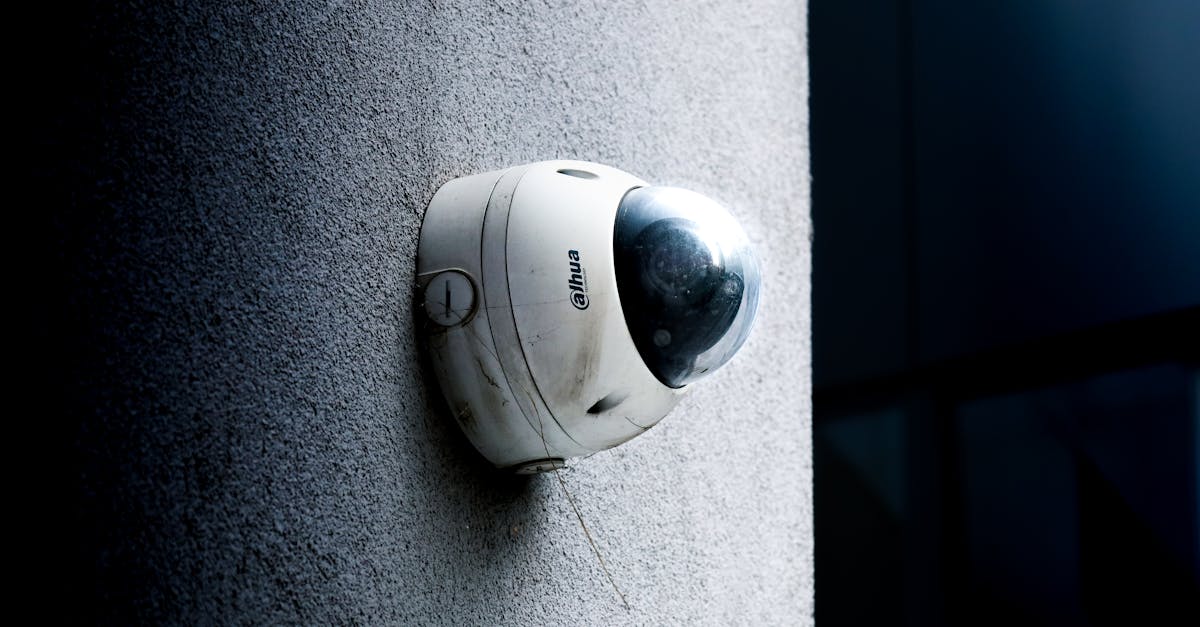
Table Of Contents
Deterrence Against Crime
The presence of surveillance cameras around a property has a significant impact on crime prevention. Potential intruders are often deterred by the knowledge that they are being watched. Many studies demonstrate that homes equipped with visible cameras experience lower rates of break-ins compared to those without any security measures. This sense of vigilance can create an atmosphere of heightened awareness, prompting would-be criminals to think twice before approaching a property.
Moreover, surveillance cameras can contribute to community safety in broader terms. When individuals notice that their neighbours have invested in security systems, they may be encouraged to do the same. This collective effort results in a fortified neighbourhood where residents feel more secure. Criminals tend to avoid areas where they perceive a high likelihood of being recorded or caught, which ultimately enhances the overall safety of the environment.
How Cameras Can Prevent Break-Ins
Surveillance cameras play a crucial role in deterring potential intruders. The visible presence of these devices acts as a psychological barrier. Criminals often seek targets that appear easy to access. When they see cameras installed around a property, they are more likely to reconsider their plans and look for an easier option elsewhere.
In addition, the recording capabilities of these cameras contribute to home security. Should an attempted break-in occur, having recorded footage can provide valuable evidence for law enforcement. This can aid in identifying suspects and recovering stolen property. Furthermore, many modern systems allow homeowners to monitor their property remotely, adding an extra layer of assurance both day and night.
Monitoring Options Available
Homeowners have various choices when it comes to monitoring their properties. Many opt for systems that offer both live streaming and recorded footage. Live streaming allows users to view their premises in real-time, providing immediate insights into any unusual activity. Meanwhile, recorded footage enables the review of events that have occurred, creating a useful archive for potential investigative needs.
Smart surveillance cameras have become increasingly popular due to their accessibility and features. Some models can send alerts to users' smartphones when motion is detected. Others have advanced capabilities such as facial recognition and night vision. These options cater to diverse needs and budgets, making it easier for individuals to enhance their home safety effectively.
Live Streaming vs. Recorded Footage
Homeowners often face a choice between live streaming and recorded footage when setting up their surveillance systems. Live streaming allows for real-time monitoring, making it possible to view footage from anywhere via compatible devices. This immediacy can enhance response times to any suspicious activities, providing peace of mind whether at home or away. Ideal for those who want constant oversight, this option can also foster a sense of security for occupants, knowing they can check in on their property anytime.
On the other hand, recorded footage offers the advantage of being able to review past events, which can be crucial for investigations after a security breach. Many systems enable the storage of video for a designated period, allowing homeowners to revisit incidents if necessary. This functionality serves not only as a deterrent against potential intruders but also as a valuable resource for discussions with law enforcement. The choice between these features often depends on individual needs for security and the desire for proactive monitoring versus retrospective analysis.
Legal Considerations for Home Surveillance
Installing surveillance cameras at home comes with several legal implications that homeowners should be aware of. Primarily, individuals must comply with privacy laws that govern the collection and use of personal information. In Australia, the Privacy Act 1988 plays a significant role in this regard, particularly when cameras capture footage of public areas or neighbours' properties. Homeowners are encouraged to avoid intrusive surveillance which could lead to potential legal disputes. Displaying signage indicating the presence of cameras can provide transparency and help mitigate privacy concerns.
It is also advisable to be mindful of how surveillance footage is stored and shared. Under Australian law, individuals should only retain footage for as long as necessary, after which it should be deleted securely. Distributing recorded material without the consent of the individuals identified can result in legal repercussions. Familiarising oneself with local regulations regarding surveillance is crucial to ensuring compliance and safeguarding personal information, allowing homeowners to benefit from security systems without infringing on the rights of others.
Privacy Laws in Australia
Homeowners in Australia must navigate a complex landscape of privacy laws when installing surveillance cameras on their properties. The primary legislation governing personal privacy includes the Privacy Act 1988, which sets guidelines for how personal information must be handled. Surveillance devices should not capture footage beyond the immediate boundaries of the property. This limits the scope of recording to the homeowner's own premises, ensuring the privacy of neighbours and passers-by is respected.
Additionally, state-specific regulations may impose further restrictions on monitoring practices. For instance, some regions require the notification of individuals being recorded, particularly in private settings. In public spaces, the expectations of privacy are considerably lower, yet ethical considerations still play a significant role. Homeowners should remain informed about local legislation to ensure compliance and avoid potential legal issues associated with unwarranted surveillance.
FAQS
How do surveillance cameras deter crime?
Surveillance cameras act as a visible deterrent to potential criminals, as the presence of cameras increases the likelihood of being caught and prosecuted, thereby discouraging break-ins and vandalism.
What are the advantages of live streaming versus recorded footage?
Live streaming allows homeowners to monitor their property in real-time and respond immediately to any suspicious activity, while recorded footage provides a detailed account of events that can be reviewed later for evidence or investigation.
Are there specific privacy laws regarding home surveillance in Australia?
Yes, privacy laws in Australia dictate how surveillance can be conducted, including requirements for notifying individuals that they are being recorded, particularly in private areas, to ensure compliance with legal standards.
Can using surveillance cameras reduce my home insurance premiums?
Many insurance companies offer discounts on home insurance premiums for properties equipped with surveillance cameras and other security systems, as these measures reduce the risk of theft and damage.
What should I consider when choosing a surveillance camera system for my home?
Consider factors such as resolution quality, field of view, night vision capabilities, storage options, ease of installation, and whether you prefer wired or wireless systems to ensure you select the best option for your needs.
Related Links
Evaluating the Cost-Effectiveness of Home Security CamerasThe Role of Surveillance in Protecting Family Members
Enhancing Property Value with Surveillance Installations
Improving Home Insurance Discounts with Security Systems
Benefits of 24/7 Monitoring for Your Home Environment
Integrating Smart Home Technology with Surveillance Cameras