Improving Customer Satisfaction with Visible Security Measures
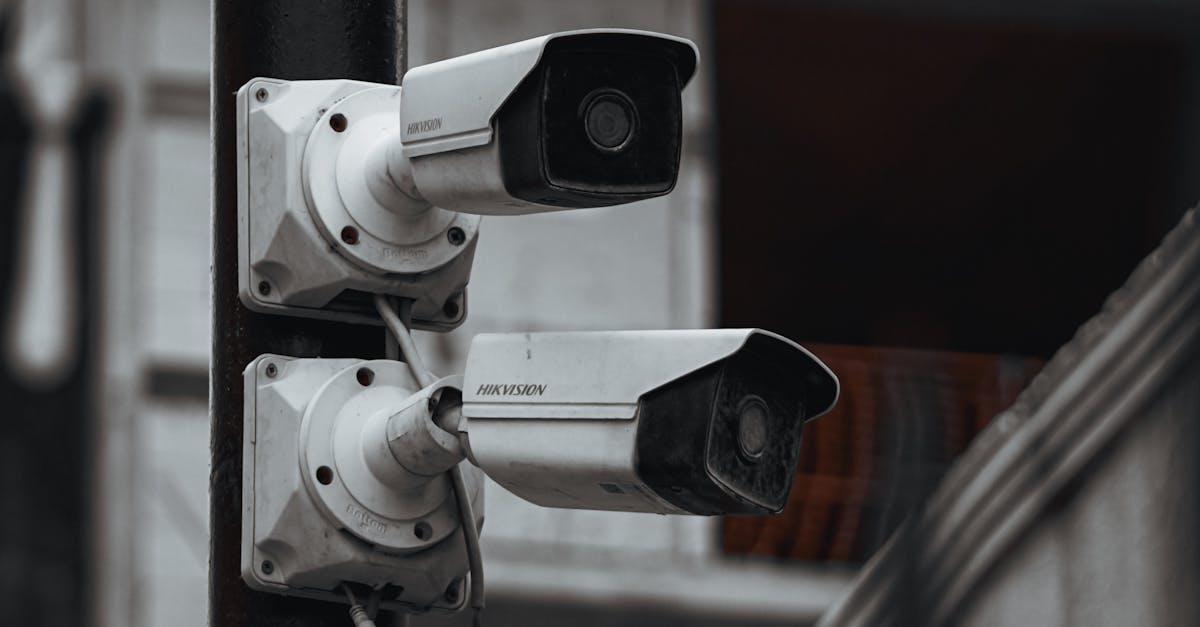
Table Of Contents
Case Studies
Many companies have successfully integrated visible security measures into their operations to enhance customer satisfaction. A renowned retail chain in Australia implemented enhanced CCTV surveillance across its store locations. This initiative not only reduced theft but also made customers feel safer while shopping. Feedback from surveys indicated that patrons appreciated the visible commitment to their safety, leading to increased foot traffic and higher sales.
Another example can be found in the hospitality industry, where a popular hotel chain adopted a policy of employing uniformed security personnel at key locations within their properties. Guests reported feeling more secure and valued due to the presence of visible security staff, which fostered a sense of trust in the establishment. As a result, the hotel experienced a significant boost in positive reviews and repeat customers, showcasing the direct correlation between visible security measures and enhanced customer trust.
Brands That Have Enhanced Customer Trust
Numerous brands have reaped the benefits of enhancing customer trust through visible security measures. Retail giants such as Woolworths and Coles strategically implemented surveillance systems in their stores, creating a sense of safety for customers. These initiatives have not only deterred potential theft but also reassured shoppers that their personal and financial information is protected. Customers gravitate toward emphasised security features, contributing to a positive shopping experience.
Another notable example is Qantas, which adopted robust security protocols at airports. Their commitment to visible safety measures, such as enhanced boarding procedures and security screenings, has solidified passenger confidence. By fostering an environment where customers feel valued and secure, these brands have successfully strengthened their reputations. This trust has translated into increased loyalty, resulting in sustained growth within their respective markets.
Legal Considerations for Visible Security
When businesses implement visible security measures, they must navigate a complex landscape of legal considerations. This includes ensuring compliance with privacy regulations that govern how personal data is collected and managed. Companies must strike a balance between enhancing security and respecting the privacy rights of customers. Failure to do so may result in legal repercussions, including fines and reputational damage.
Additionally, businesses need to understand the implications of visible security on customer perceptions and potential liability. While increased security may deter crime, it can also raise concerns regarding customer comfort and the potential for profiling. Clear policies and communication strategies should accompany the implementation of security measures to address any apprehensions from customers. Such proactive steps not only promote transparency but also help to foster a safer environment for all stakeholders involved.
Compliance with Privacy Regulations
Businesses implementing visible security measures must navigate a complex landscape of privacy regulations. These laws are designed to protect customer information while allowing companies to enhance their safety protocols. Compliance involves understanding local and international regulations that apply to customer data handling, including data collection, storage, and sharing practices. Organisations need to ensure that any surveillance or security system they deploy does not infringe on individual privacy rights, which can be a delicate balance to strike.
Regular audits and assessments can help identify potential compliance gaps within existing security frameworks. Training staff to understand these regulations fosters a culture of accountability and vigilance. Employees should be well-informed about legal requirements related to customer interactions and how visible security measures fit within those parameters. This ensures that security enhancements do not compromise customer trust or violate privacy laws, ultimately reinforcing the brand's commitment to ethical practices.
Training Staff on Security Protocols
Equipping staff with the necessary training on security protocols is crucial for maintaining a safe environment. Employees should be familiar with both the physical and digital measures in place to protect customers and their data. Regular training sessions help reinforce these protocols, enabling staff to respond effectively in potential security situations. Creating practical scenarios during training enhances understanding and prepares employees to handle incidents confidently.
In addition to initial training, ongoing education is vital to keep staff updated on emerging security threats. Regular workshops can address new technologies and methods used by malicious actors. Encouraging open communication about security concerns fosters a proactive culture, allowing employees to share insights and experiences. This continuous development ensures that staff remain vigilant and well-prepared, ultimately contributing to overall customer trust and satisfaction.
Empowering Employees to Maintain Safety
Employees play a crucial role in maintaining safety and security in any establishment. By providing comprehensive training, businesses not only equip staff with the necessary skills but also instil a sense of responsibility. This empowerment fosters a proactive culture where employees feel confident in identifying security concerns and addressing them promptly.
Encouraging staff to engage in safety practices creates a collective awareness. Regular drills and workshops reinforce protocols and ensure that employees remain vigilant. An informed and prepared workforce acts as a visible deterrent to potential threats, ultimately enhancing customer reassurance and trust in the establishment.
FAQS
What are visible security measures and how do they improve customer satisfaction?
Visible security measures, such as surveillance cameras, security personnel, and access control systems, provide customers with a sense of safety and reassurance. This can lead to increased trust and satisfaction as customers feel more secure in their environment.
Can you provide examples of brands that have successfully implemented visible security measures?
Yes, several brands have successfully enhanced customer trust through visible security measures. Notable examples include retail giants like Westfield and Woolworths, which have integrated security features that reassure customers about their safety while shopping.
What legal considerations should businesses be aware of when implementing visible security measures?
Businesses must ensure compliance with privacy regulations, such as the Australian Privacy Principles (APPs), which govern the collection and use of personal information. It’s crucial to inform customers about surveillance practices and ensure that data collected is used appropriately.
How can businesses train staff on security protocols effectively?
Effective training involves providing comprehensive education on security measures, emergency procedures, and customer interaction during security incidents. Role-playing scenarios and regular refreshers can help empower employees to maintain safety and respond appropriately.
What benefits do customers expect from brands that prioritise visible security?
Customers typically expect a higher level of trust and confidence in brands that prioritise visible security. This can lead to increased loyalty, repeat business, and positive word-of-mouth recommendations, ultimately contributing to improved customer satisfaction.
Related Links
Enhancing Workplace Safety with Commercial Security CamerasMaximising Operational Efficiency through Surveillance Solutions
The Financial Benefits of Investing in Surveillance Technology
Leveraging Security Footage for Investigative Purposes
Deterring Theft and Vandalism Using Security Camera Systems
Increasing Employee Productivity with Monitoring Systems
Enhancing Compliance and Accountability in Businesses
Protecting Sensitive Areas with Advanced Camera Technology
The Role of Surveillance Cameras in Risk Management