Key Features to Look for in Home Security Cameras
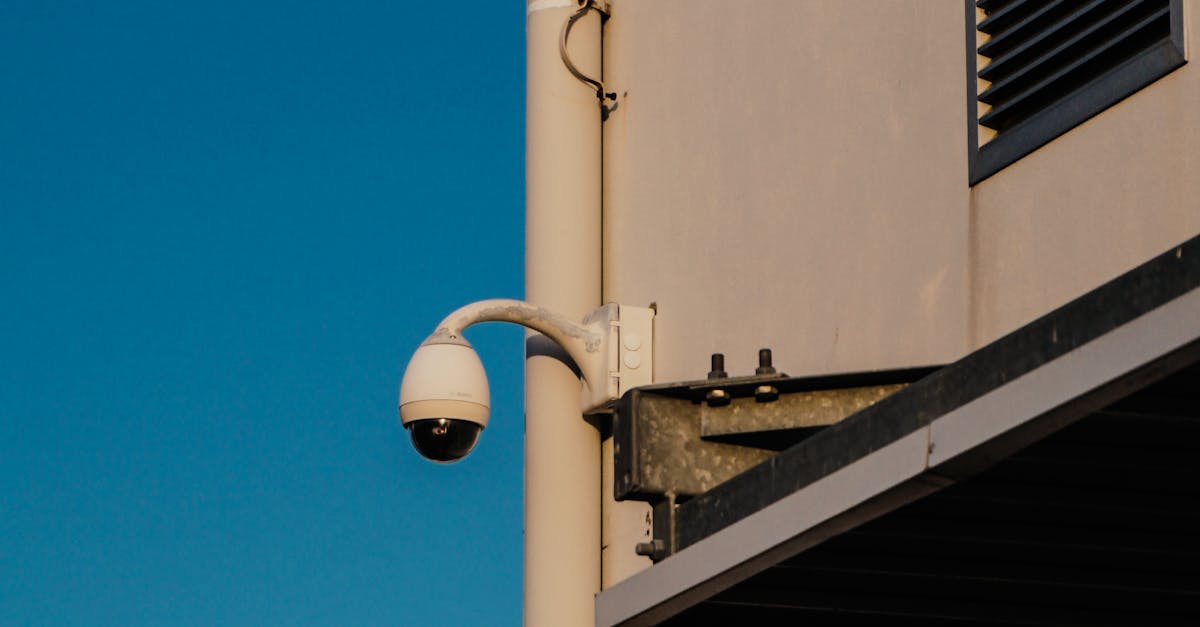
Table Of Contents
Storage Options
When selecting a home security camera, considering storage options is vital for effective surveillance. Many systems offer both cloud and local storage solutions, providing flexibility based on user preferences and needs. Cloud storage enables remote access to footage and often comes with subscription plans, allowing for automatic backups. This option is particularly beneficial for users who want to ensure their recordings are secure and accessible from multiple devices.
On the other hand, local storage typically uses a hard drive, SD card, or Network Video Recorder (NVR). This can be a cost-effective choice for those who prefer to avoid ongoing fees associated with cloud services. Local storage allows users to maintain total control over their footage and can provide quicker access without relying on internet bandwidth. Each option has its advantages, making it essential to evaluate personal requirements and budget constraints when making a decision.
Cloud vs. Local Storage Solutions
When considering security camera storage options, many homeowners find themselves weighing the benefits of cloud storage against local storage solutions. Cloud storage allows users to access video footage from anywhere with an internet connection. This option often includes features like automatic updates and the ability to easily share clips with authorities if necessary. Data is typically encrypted in transit and at rest, offering added security against physical theft of the storage device.
On the other hand, local storage solutions provide a more tangible option that can be free from monthly fees associated with cloud services. Users often appreciate having complete control over their data. Local storage might be more suitable for those with limited bandwidth or privacy concerns. However, it requires regular maintenance and can be vulnerable to physical theft or damage if not properly secured. Each option comes with its own set of advantages and drawbacks, making it crucial to assess personal needs and preferences.
Connectivity
A robust connectivity option is essential for the reliable functioning of home security cameras. Wireless cameras offer the convenience of easy installation, eliminating the need for cumbersome wiring. They can often connect to your Wi-Fi network, allowing for remote access and monitoring through smartphone applications. However, the performance of wireless systems can be influenced by factors such as distance from the router and potential interference from other devices.
Wired cameras, on the other hand, provide a more stable connection. They are less susceptible to interruptions from Wi-Fi signal fluctuations, making them a preferred choice in areas with known connectivity issues. These systems typically require more effort during installation, with cables needing to be routed throughout the property. Nonetheless, they can deliver uninterrupted video feeds, which can be a significant advantage for homeowners seeking consistent surveillance.
Wired vs. Wireless Cameras
When choosing between wired and wireless security cameras, several factors come into play. Wired cameras typically offer a more stable connection, which can lead to better video quality and reliability. The installation process may be more complex, requiring professionals to run cables through walls and ceilings. They are usually less susceptible to interference from other devices and environmental factors, providing peace of mind for homeowners who prioritise stability.
On the other hand, wireless cameras present a convenient alternative with easier installation and flexibility in placement. They eliminate the need for extensive cabling, allowing for quick setup in various locations around the property. However, wireless solutions may experience connection issues due to obstacles or interference. Some models rely on battery power, which necessitates regular maintenance to ensure they remain operational. Understanding these differences can help you make an informed decision tailored to your specific security needs.
Weather Resistance
When selecting security cameras for outdoor use, it is essential to consider their ability to withstand various weather conditions. Look for models specifically designed to endure extreme temperatures, heavy rain, and potential debris. Cameras with a high weather resistance rating, such as IP65 or higher, indicate they are dust-tight and protected against water jets, making them suitable for outdoor installation.
Another important aspect is the camera's durability against UV exposure and corrosion. Models constructed with materials that resist fading or rust will ensure longevity and consistent performance. Implementing weather-resistant features not only enhances camera reliability but also provides peace of mind knowing your security system can function effectively, regardless of environmental challenges.
Rating Systems for Outdoor Use
When selecting outdoor security cameras, it is essential to consider their weather resistance ratings. Many cameras are rated according to the Ingress Protection (IP) code, which indicates how well they can protect against dust and water. For instance, an IP65 rating signifies that the camera is dust-tight and resistant to water jets, making it suitable for most outdoor conditions. Ratings of IP66 and IP67 offer even greater protection, ensuring functionality in heavier rain and harsher environments.
In addition to the IP ratings, temperature resistance is another factor that plays a critical role in outdoor performance. Some cameras are designed to function effectively in extreme temperatures, ranging from very low to very high. A camera that can operate in temperatures as low as -20°C or as high as 50°C will be more versatile and reliable over the seasons. Checking both the IP rating and temperature specifications can help ensure that your investment into home security remains effective regardless of the weather conditions.
FAQS
What are the advantages of cloud storage for home security cameras?
Cloud storage offers remote access to your footage, automatic updates, and off-site backup, ensuring that your recordings are safe even if the camera is damaged or stolen.
How does local storage work for security cameras?
Local storage typically involves saving footage directly onto a physical device, such as a hard drive or SD card, which can provide quicker access to recordings and eliminates ongoing subscription fees.
What are the main differences between wired and wireless security cameras?
Wired cameras require physical cabling for both power and data transfer, providing a stable connection, while wireless cameras offer more flexible installation options but may be susceptible to interference and require a reliable Wi-Fi connection.
How can I determine if a security camera is weather-resistant?
Look for cameras with an IP rating, which indicates their level of protection against dust and moisture. An IP rating of at least IP65 is generally suitable for outdoor use.
What features should I consider if I want a security camera for outdoor use?
When selecting an outdoor security camera, consider features such as weather resistance, night vision capabilities, a wide field of view, and motion detection to ensure effective monitoring.
Related Links
Popular Home Security Camera Brands in MelbournePrivacy Considerations When Installing Home Security Cameras
Evaluating Indoor vs Outdoor Security Cameras for Your Home
Smart Home Integration with Security Cameras
The Role of Night Vision in Home Security Cameras