Troubleshooting Common Cleaning Problems with Security Cameras
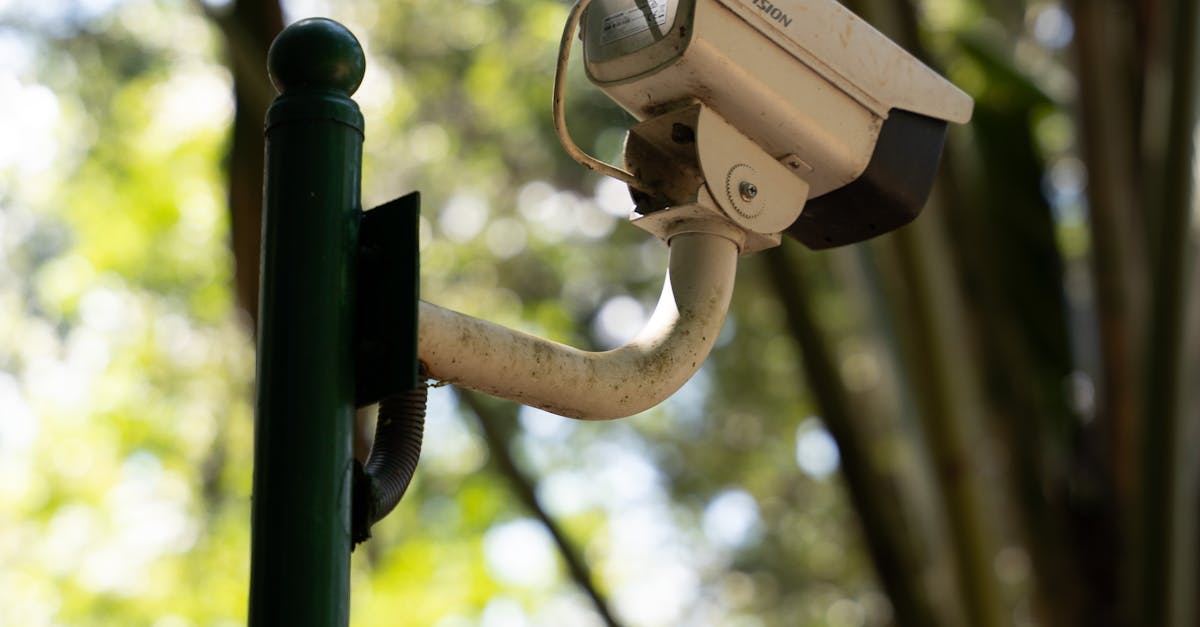
Table Of Contents
Troubleshooting Picture Quality Issues
Picture quality can significantly affect the overall effectiveness of security cameras. Factors such as improper focus, low resolution, or environmental disturbances often lead to distorted images. When dealing with blurry footage, it's essential to first ensure the lens is clean. Dust, dirt, or smudges on the camera lens can obstruct the view. Regularly scheduled cleaning can prevent these elements from interfering with image quality.
Another crucial aspect to consider is the camera settings. Adjusting the focus, resolution, or even the camera angle can sometimes resolve issues. It's also worthwhile to inspect the camera's environment. Reflections from nearby objects or poor lighting conditions may contribute to quality problems. Assessing these variables can help restore the clarity of your recordings.
Cleaning as a Solution to Blurry Images
Blurry images from security cameras often stem from dirt, dust, or smudges accumulating on the lens. Over time, these obstructions hinder the camera’s ability to capture clear visuals. Regular cleaning of the lens can significantly improve image quality. Using a soft, lint-free cloth in combination with appropriate lens cleaner ensures effective removal of any grime without causing scratches.
It’s important to approach the cleaning process gently. Abrasive materials can damage the lens, leading to more issues down the line. In addition to cleaning the lens, it’s advisable to inspect the entire camera body for any signs of dust or dirt that may affect sensor performance. Maintaining a clear line of sight will enhance overall surveillance capability and ensure critical moments are captured with precision.
Regular Maintenance Schedules
Establishing a regular maintenance schedule is essential for ensuring the longevity and reliability of security cameras. Frequent inspections allow for early detection of any issues that could affect performance, such as damage or wear from environmental conditions. Setting specific intervals for cleaning and maintenance tasks helps in keeping both indoor and outdoor cameras functioning optimally.
Incorporating a thorough cleaning routine into the maintenance schedule is crucial. Dust, grime, and moisture can accumulate over time, impairing the quality of footage captured. By dedicating time each month to check for and remove obstructions, camera users can significantly enhance image clarity. Additionally, documenting maintenance activities cultivates a sense of accountability, fostering a proactive approach to equipment care.
Importance of Consistency in Cleaning
Effective cleaning practices rely heavily on consistency. Regularly scheduled maintenance ensures that security cameras function at optimal capacity. Dirt and grime build up over time, leading to compromised picture quality. A consistent approach to cleaning allows for proactive measures against these issues. This not only enhances visibility but also prolongs the lifespan of the equipment.
Establishing a routine encourages accountability and thoroughness. Assigning specific tasks and timeframes can prevent neglect and reinforce the importance of camera upkeep. This structured approach can also help in identifying potential issues before they escalate. Investing time in maintaining security cameras ultimately safeguards the integrity of the surveillance system.
Addressing Outdoor Camera Challenges
Outdoor security cameras face unique challenges due to their exposure to various environmental elements. Rain, dust, and extreme temperatures can affect both the functionality and image quality of these devices. Regularly inspecting the camera lens for dirt or moisture build-up is essential. A quick wipe with a microfibre cloth can often restore clarity and prevent any obstruction that may interfere with performance.
Taking proactive measures can significantly reduce the frequency of cleaning needed for outdoor cameras. Installing protective covers or shields can help guard against harsh weather conditions and minimise dust accumulation. Additionally, positioning cameras away from potential obstructions, such as trees or heavy traffic areas, can further decrease the likelihood of debris interfering with the camera's line of sight. Keeping these factors in mind ensures that security cameras maintain optimal performance throughout the year.
Tips for Preventing Dust and Debris Accumulation
Keeping outdoor security cameras free of dust and debris is essential for maintaining optimal image quality. One effective strategy is to position cameras away from areas where natural elements may cause build-up. For instance, avoiding placement near trees or areas prone to heavy wind can significantly reduce the amount of dirt and leaves that settle on the lens. Additionally, using protective covers or shields can help protect the cameras from the elements while allowing for clear visibility.
Regular inspections can also aid in preventing the accumulation of dust and debris on camera lenses. It's beneficial to check cameras every few weeks to remove any surface dirt or obstructions. Implementing a routine cleaning schedule ensures that any build-up is addressed before it starts affecting camera performance. Using gentle, non-abrasive materials when cleaning lenses will help maintain their clarity and longevity.
FAQS
How often should I clean my security camera lenses?
It is recommended to clean your security camera lenses at least once a month, but more frequent cleaning may be necessary if the cameras are exposed to dirt, dust, or harsh weather conditions.
What type of cleaner should I use for my security camera?
Use a microfiber cloth and a gentle lens cleaner, or a mixture of distilled water and isopropyl alcohol. Avoid using harsh chemicals or abrasive materials that could scratch the lens.
Can I use a garden hose to clean my outdoor security camera?
It’s best to avoid using a garden hose directly on your security camera, as the high pressure may damage the camera. Instead, use a damp cloth to gently wipe the exterior.
What should I do if my security camera images are still blurry after cleaning?
If images remain blurry after cleaning, check for any obstructions in the camera's field of view, ensure the camera is correctly focused, and verify that the camera is securely mounted.
How can I prevent my outdoor security camera from getting dirty?
Consider installing a protective cover or shield to deflect rain and debris. Regularly check and maintain the area around the camera to minimise dust and dirt accumulation.
Related Links
Understanding the Impact of Dust and Debris on Camera FunctionalityEssential Tips for Keeping Your Security Cameras Clean
Seasonal Cleaning Checklist for Your Surveillance System
Scheduling Regular Maintenance for Longevity of Surveillance Equipment
Recommended Cleaning Supplies for Residential Surveillance Cameras
Step-by-Step Guide to Effectively Cleaning Outdoor Security Cameras
How to Maintain Optimal Camera Performance through Regular Cleaning
The Importance of Camera Maintenance in Melbourne's Climate