Understanding Different Camera Types for Home Security
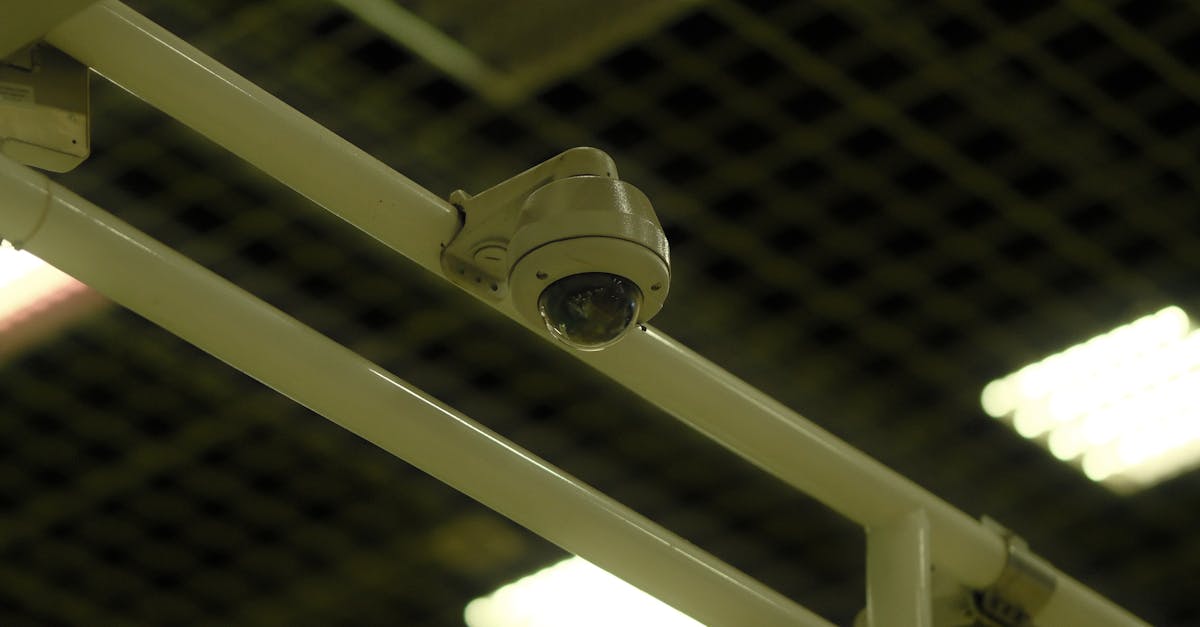
Table Of Contents
PTZ Cameras
Pan-Tilt-Zoom (PTZ) cameras offer dynamic surveillance capabilities, making them a popular choice for various security applications. Their key feature is the ability to remotely control the camera's movement, allowing users to pan horizontally, tilt vertically, and zoom in for a closer look at specific areas. This flexibility makes PTZ cameras particularly effective for monitoring large spaces such as parking lots, warehouses, and outdoor areas.
The versatility of PTZ cameras not only enhances their functionality but also optimises the use of fewer units to cover extensive environments. They can be programmed with preset positions to automatically scan designated areas at regular intervals. This functionality can deter potential intruders by providing comprehensive surveillance while allowing for real-time monitoring and tracking of suspicious activities.
Benefits of Pan-Tilt-Zoom Functionality
Pan-tilt-zoom (PTZ) cameras offer unparalleled flexibility in surveillance capabilities. Their ability to rotate horizontally and vertically enables users to cover a larger area without the need for multiple fixed cameras. This functionality allows for precise targeting of specific monitoring zones, making it easier to track moving subjects or observe activities in detail. Users can adjust the camera's position remotely, providing real-time surveillance and the capacity to respond quickly to unusual events.
Another significant advantage of PTZ cameras is their ability to zoom in on distant objects without sacrificing image quality. This feature is particularly valuable in outdoor settings, where identifying faces or license plates is often crucial for security purposes. Many models also incorporate advanced tracking systems that ensure the camera follows a subject automatically, enhancing the level of situational awareness. With the right installation and configuration, PTZ cameras become powerful tools in a comprehensive home security system.
Dome Cameras
These cameras are known for their discreet design, allowing them to blend seamlessly with various indoor and outdoor environments. Their dome shape makes them less noticeable and can deter potential intruders, as it is challenging to determine the camera's direction of focus. The housing is also robust and often vandal-resistant, providing an added layer of security in vulnerable locations.
One of the primary benefits of dome cameras is their versatility. They can be mounted on walls or ceilings and are suitable for a variety of settings, including retail spaces, schools, and residential areas. Many models come equipped with infrared capabilities, enabling clear images even in low-light conditions. This adaptability makes them a popular choice for comprehensive security systems.
Advantages of Using Dome Designs
Dome cameras are known for their discreet appearance, making them suitable for both indoor and outdoor settings. The dome shape can deter potential intruders who may be less inclined to act if they feel they are being watched. This design also provides a 360-degree field of view, allowing for extensive coverage of surveillance areas without the need for multiple cameras.
Their robust construction often includes vandal-resistant materials, enhancing durability. This feature makes dome cameras a reliable choice for high-traffic locations where accidental damage could occur. Additionally, many models come equipped with infrared technology, enabling effective monitoring in low-light conditions, making them versatile for various environments.
Bullet Cameras
Bullet cameras are a popular choice for home security due to their straightforward design and excellent visibility. Their elongated shape allows them to project a focused view over long distances, making them effective for monitoring perimeters or large areas. Additionally, many bullet cameras come equipped with features such as infrared night vision, ensuring they can capture clear images even in low-light conditions.
These cameras are often weatherproof and durable, making them suitable for outdoor placement. Their fixed angles can be advantageous for situations where consistent monitoring of a specific spot is essential, such as driveways or entry points. The visible presence of bullet cameras can also serve as a deterrent to potential intruders, enhancing overall security measures around the property.
Ideal Situations for Bullet Camera Use
Bullet cameras are particularly effective for outdoor surveillance due to their long-range visibility and weatherproof design. They are well-suited for monitoring entrances, driveways, and large open areas. The narrow field of view allows for focused observation on specific locations, making it easier to capture detailed footage of any activity in those critical spots. Their robust construction ensures durability against harsh environmental conditions, which is essential for outdoor installations.
Indoor applications can also benefit from bullet cameras, especially in locations that require tight security. They are ideal for areas with high foot traffic or valuable assets, such as retail environments or warehouses. Their visibility acts as a deterrent, while the ability to adjust angles facilitates optimal coverage of critical zones. In these settings, bullet cameras provide a balance between robust design and effective surveillance capabilities.
FAQS
What are PTZ cameras and how do they work?
PTZ cameras, or Pan-Tilt-Zoom cameras, are surveillance cameras that can be remotely controlled to pan (move left and right), tilt (move up and down), and zoom in on specific areas. This functionality allows users to cover a larger area with fewer cameras and focus on particular events as they unfold.
What are the main benefits of using PTZ cameras for home security?
The main benefits of PTZ cameras include their ability to provide extensive coverage, their flexibility to focus on specific areas, and the option for remote control, which allows users to monitor their property in real-time from anywhere.
What are dome cameras and what makes them popular for home security?
Dome cameras are named for their dome-shaped housing, which makes them less obtrusive and more aesthetically pleasing. Their design also makes it difficult for intruders to tell which direction the camera is pointing, enhancing their effectiveness in deterring crime.
What are the advantages of using dome cameras?
The advantages of dome cameras include their discreet appearance, wide-angle viewing capabilities, and often, better durability against vandalism. They are suitable for both indoor and outdoor use, making them versatile for various security needs.
In what situations are bullet cameras most effective?
Bullet cameras are particularly effective for long-range viewing and monitoring specific areas, such as doorways, driveways, and perimeters. Their design allows for easy mounting and adjustment, making them ideal for outdoor settings where clear visibility is essential.
Related Links
The Importance of Resolution in Home Security CamerasPrivacy Considerations When Choosing Home Cameras
Factors to Consider When Choosing Home Surveillance Cameras
How Weather Resistance Affects Camera Selection
Top Features to Look for in Residential Security Cameras
Comparing Wired and Wireless Home Security Cameras
Selecting Cameras Based on Specific Security Needs
How to Select the Right Camera for Your Property Size
Evaluating Indoor vs Outdoor Camera Options